Leave a Message

Thank you for your message. I will be in touch with you shortly.

Townhouse vs. Single-Family In Kentlands: Which Fits You?

December 18, 2025

Trying to decide between a Kentlands townhouse and a single-family home? You’re not alone. In Kentlands, both options sit close to the same shops, restaurants, and parks, which means the usual tradeoffs can feel tighter than in other suburbs. This guide walks you through cost, HOA rules, parking, outdoor space, walkability, and resale so you can match your lifestyle and budget to the right home. Let’s dive in.

Kentlands at a glance

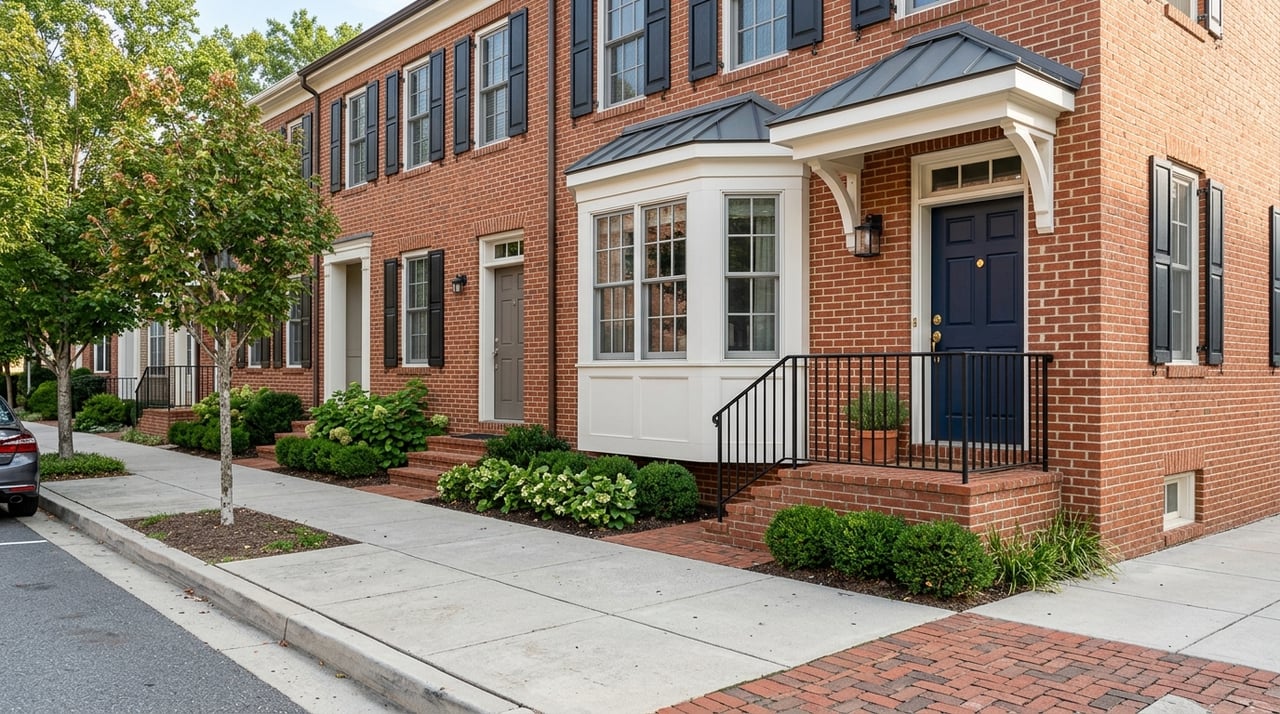
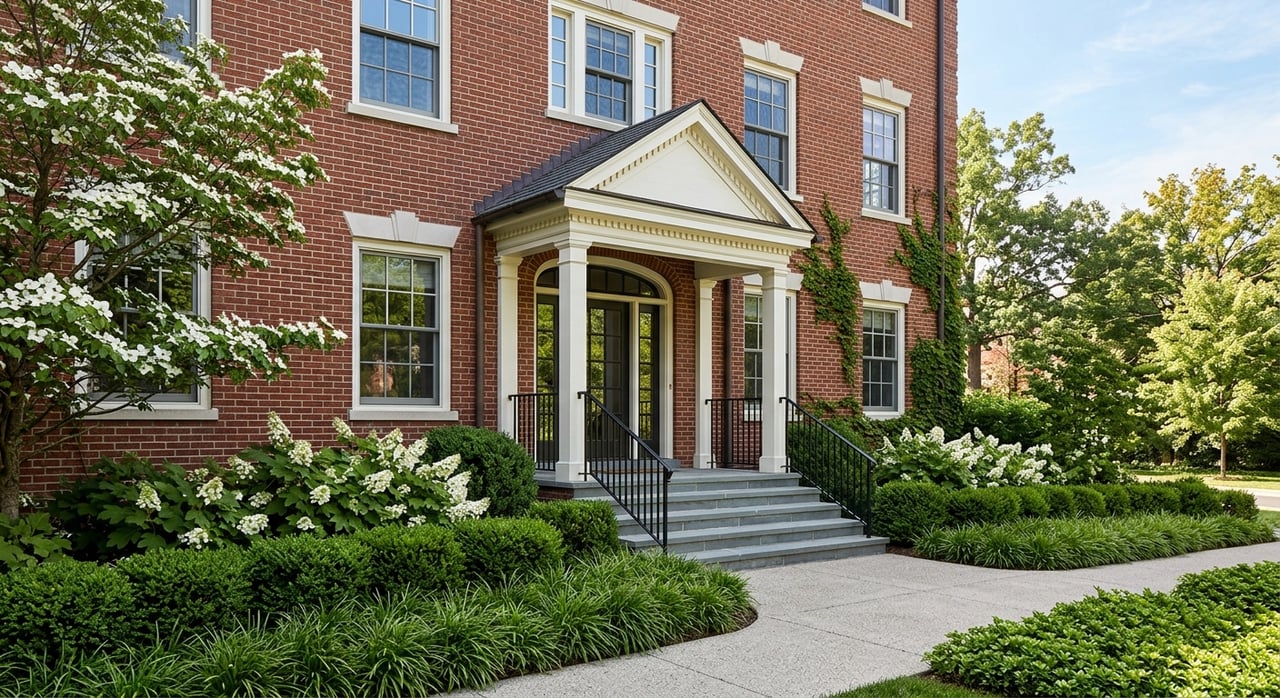
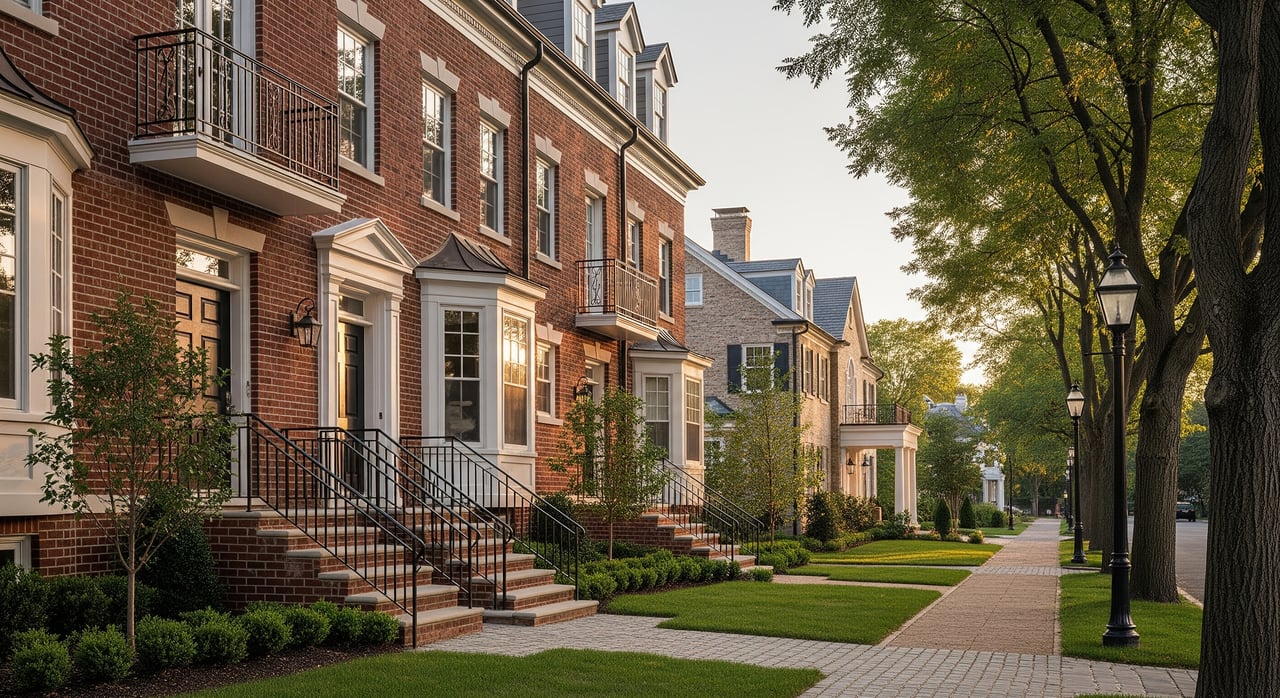
Kentlands in Gaithersburg is a planned community shaped by new urbanism principles. You’ll find front porches, rear alleys, sidewalks, and trails that tie together Market Square, pocket parks, and a mix of housing types. The result is a neighborhood where many townhouses and single-family homes sit within a short walk of the same amenities.

For you, that means comparing home types is less about “walkable vs. suburban” and more about how you want to live day to day: maintenance, privacy, parking, and long-term costs.

Cost of ownership: what changes by type

In Kentlands, total cost of ownership depends on more than purchase price. Use this simple formula when you compare properties:

  • Annual TCO ≈ mortgage (principal + interest) + property taxes + homeowner’s insurance + HOA fees + estimated maintenance/repairs + utilities + average annual capital replacement

Build your estimate with these factors in mind:

Purchase price and mortgage

Townhouses and detached homes trade at different price points. Instead of relying on generalizations, check recent Kentlands sold comps by property type through local MLS data. Compare 6 to 12 months of sales for a realistic range.

Property taxes

Property tax bills are based on assessed value multiplied by applicable county and municipal rates. Kentlands is in the City of Gaithersburg within Montgomery County, so confirm whether city taxes are included for the property you’re evaluating. Review the current assessment through the state’s assessment office and the most recent tax bill through the county’s property tax portal.

Homeowners insurance

Single-family policies often cost more because you insure the full structure and typically a larger replacement value. Townhouses may have a master HOA policy that covers the building shell or common elements. You still need an individual policy to cover interiors, personal property, and liability. Confirm coverage and deductibles in the association’s insurance certificate.

HOA and community fees

Many Kentlands townhouses belong to HOAs that may include exterior maintenance, landscaping, snow removal, trash, amenities, and master insurance. Some detached homes also fall under master or sub-associations. Review CC&Rs and budgets to see what’s covered. HOA fees can shift costs from variable maintenance to a predictable monthly number, but they do not eliminate your responsibility for interiors and certain exterior items.

Maintenance and repairs

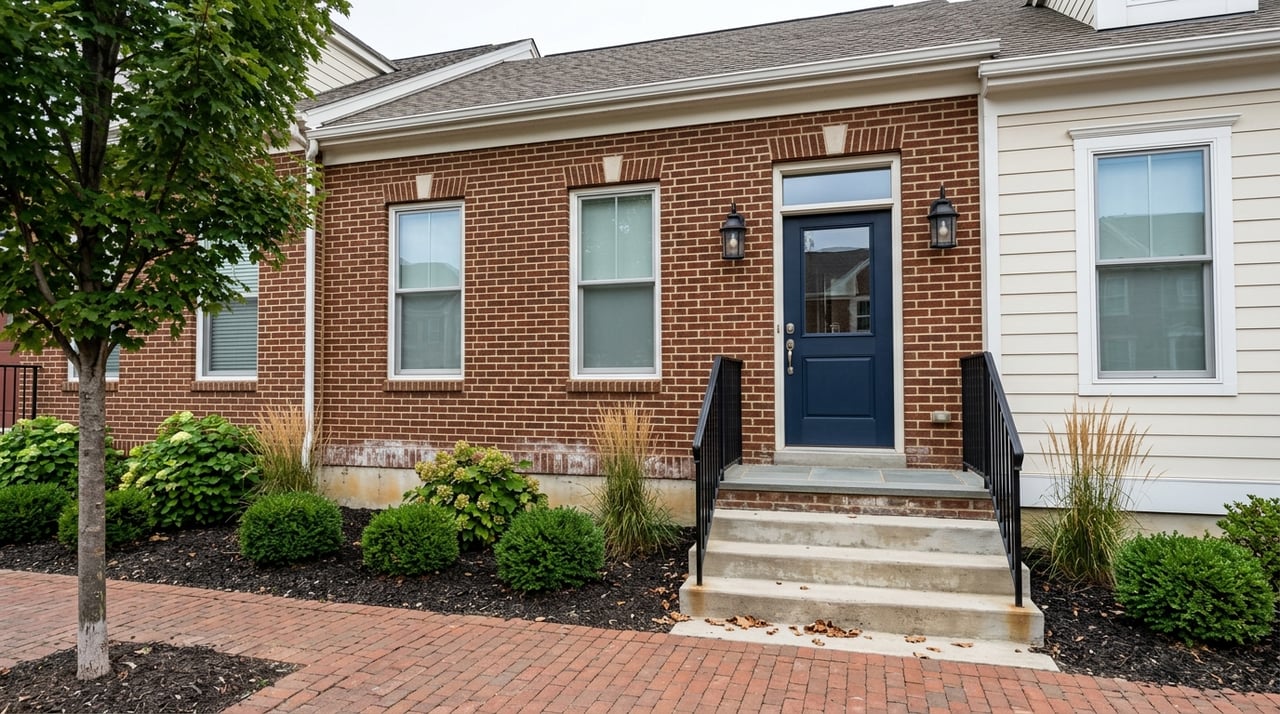
  • Townhouses: Reduced exterior exposure can lower maintenance. Depending on the CC&Rs, the HOA may handle roof, siding, or painting. You’ll likely be responsible for interiors, decks or patios, limited exterior elements, and mechanical systems.
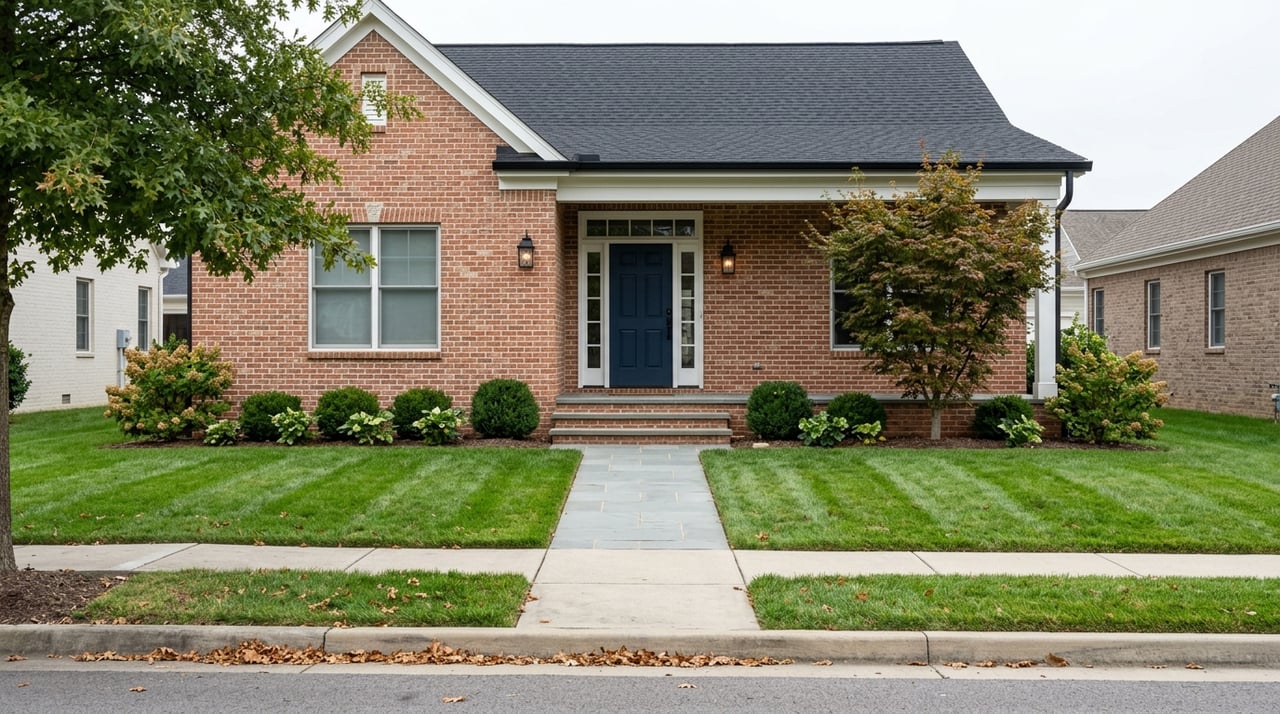
  • Single-family homes: You control the full exterior and yard, which often means higher ongoing work for roofs, siding, driveways, fences, and landscaping. You also control timing and quality of the work.

Utilities and services

Attached homes usually share walls that improve energy efficiency. Some services like snow removal and trash may be included in townhouse HOA dues. Detached homes often have higher heating and cooling costs due to larger square footage and more exterior exposure.

Reserve funds and special assessments

Older associations sometimes face special assessments if reserves are low. Protect yourself by reviewing the most recent reserve study, current budget, and meeting minutes. Look for upcoming projects, insurance deductibles, and funding plans.

TCO checklist

Gather these items for any Kentlands property you’re seriously considering:

  • Last 12 months of utility bills and the current property tax bill
  • HOA budget, reserve study, insurance certificate, and meeting minutes
  • Summary of what HOA dues include and what they do not
  • Age of roof, major systems, and known recent repairs
  • Recent similar sales for the same property type in Kentlands

HOA details that affect daily life

Kentlands associations vary, so do not assume standard rules. Request the full HOA package and look for specifics that change daily life and long-term costs.

Key HOA documents to review

  • CC&Rs, bylaws, and rules and regulations
  • Current year budget and the latest reserve study
  • Insurance certificates with coverage and deductibles
  • Meeting minutes for the last 12 to 24 months
  • Any pending or recent special assessments
  • Rental limits and pet policies
  • Parking and guest parking rules
  • Architectural review guidelines and approval timelines

Red flags to note

  • Low reserves or no recent reserve study
  • Large or recurring special assessments
  • Ongoing litigation or frequent rule changes
  • Slow or limited communication from management

Parking, storage, and layout trade-offs

What to expect in Kentlands

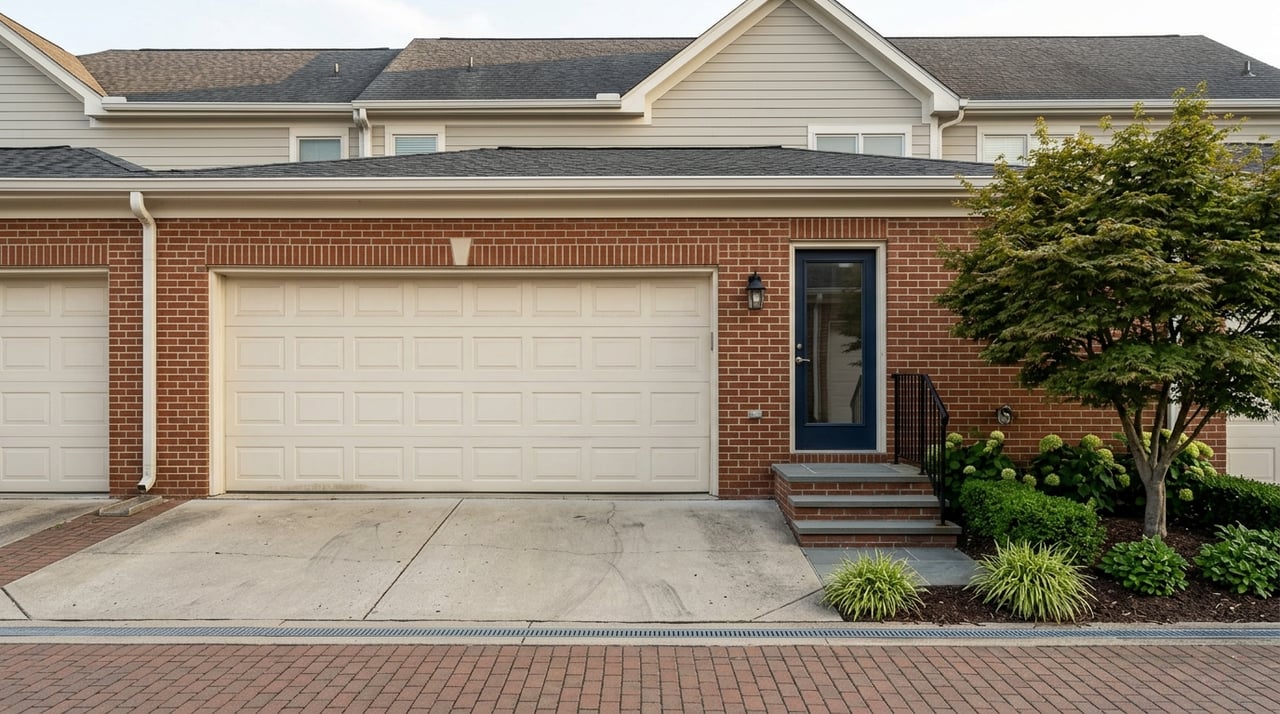
  • Townhouses: Many have rear-alley garages, often 1 to 2 cars, sometimes with short driveways or assigned spaces. Visitor parking can be tight on some blocks, so check guest policies and towing rules.
  • Single-family homes: Larger driveways and 2-car or wider garages are common, with more flexibility for storage, sheds, or layouts, subject to HOA and city approvals.

EV charging is easier in detached homes where you control the driveway and exterior electrical work. In townhouses, charger installation usually requires HOA approval and proper permits.

Parking questions to ask on every tour

  • What are the garage interior dimensions and ceiling heights?
  • How many assigned spaces are included? Where are they?
  • Where can guests park, and how is it enforced?
  • What is the snow removal plan for alleys and streets?
  • What is the policy for EV chargers and exterior outlets?

Outdoor space and green access

Townhouses in Kentlands often have compact patios, balconies, or small fenced yards. You may depend more on community parks and shared green spaces for play, pets, and gatherings. Detached homes usually offer larger private yards, more room for gardens and playsets, and easier options for expanding decks or patios, subject to HOA review.

Because Kentlands weaves trails and pocket parks throughout the neighborhood, both home types enjoy walkable access to outdoor spaces. The question is how much private space you want, and how much time you want to spend maintaining it.

Walkability, commute, and daily rhythm

Many townhouses sit close to Market Square and neighborhood retail. That short walk can come with more daytime and event activity. Detached homes often sit on quieter blocks a bit farther from the core, trading a longer walk for more privacy.

For regional commuting, Kentlands offers access to I-270 and MD-355, with connections to the Shady Grove Metro Station and commuter services in the Gaithersburg and Rockville corridor. Verify current routes and schedules on official transit sites, and consider how garage and driveway access will affect your daily routine if you drive.

Resale and marketability

  • Buyer pools: Townhouses tend to attract first-time buyers, downsizers, and anyone prioritizing low maintenance and proximity to amenities. Detached homes often appeal to buyers who want larger private yards and more flexibility to expand.
  • Appraisals: Appraisers rely on comps from the same product type and nearby blocks. In Kentlands, that means townhouses compare to townhouses and detached homes to detached homes.
  • Value drivers: Condition, upgrades, finished basements, parking, lot size, and proximity to Market Square and transit all influence pricing. Use 6 to 12 months of local sales to understand premiums within the neighborhood.

What to gather before you tour or offer

Property items to request

  • HOA documents: CC&Rs, rules, current budget, reserve study, and meeting minutes
  • Last 2 years of utility bills and the current property tax bill
  • Seller disclosures and a list of repairs or improvements
  • Floor plan, lot dimensions, garage size, and plat
  • Recent comparable sales and days on market for the same property type

Questions for the listing agent or HOA

  • What exactly do HOA dues cover, and what is owner responsibility?
  • Any pending or recent assessments or major capital projects?
  • Rental caps, minimum lease terms, and pet policy details
  • Assigned parking count, guest parking, and towing procedures
  • Known noise patterns or events that draw crowds to Market Square
  • Any drainage, boundary, or easement issues on the lot
  • Rules affecting exterior changes such as EV chargers, fences, or windows

For inspectors and appraisers

  • Confirm roof age, siding type, foundation condition, decks, and driveways
  • For townhouses, note party-wall construction and who maintains shared elements
  • Identify near-term capital items: HVAC, water heater, roof, and windows

How to choose: a quick scorecard

Use your top priorities to guide the decision:

  • If you want low-maintenance living and a short walk to cafes and events, start with townhouses near the neighborhood core.
  • If you want more private yard space and flexibility for projects, focus on detached homes on quieter blocks, subject to HOA approvals.
  • If predictable monthly costs matter, compare HOA coverage against expected maintenance and request the association’s budget and reserve study.
  • If parking and storage are key, measure garages, review guest policies, and consider detached layouts with larger driveways.
  • If commute time matters most, weigh garage access, proximity to major routes, and walk times to bus or transit connections.

Your next step

The best way to decide in Kentlands is to compare two nearby homes, one townhouse and one detached, then layer in actual costs from utility bills, HOA documents, and recent comps. If you’d like a guided, side-by-side comparison and a clear plan from tour to closing, reach out to a local expert who knows the blocks as well as the budgets.

Ready to explore? Connect with Valerie D Harnois for a tailored walkthrough, pricing insight, and a low-stress path to the right home. ¿Prefieres en español? Con gusto te ayudo.

FAQs

How are property taxes calculated for Kentlands homes?

  • Taxes are based on the assessed value and applicable county and municipal rates. Review the state assessment record and the most recent county tax bill for accuracy.

Who handles exterior maintenance for Kentlands townhouses?

  • It depends on the CC&Rs. Some associations cover roofs, siding, or painting, while others do not. Read the HOA documents and budget to confirm.

Can you install an EV charger in a Kentlands townhouse garage?

  • Often yes with HOA approval and proper permits. Check architectural guidelines and electrical capacity before you plan the installation.

Are townhouses noisier than single-family homes?

  • They can be due to shared walls. Ask about construction type and soundproofing, visit at different times of day, and review HOA rules related to noise.

Will HOA dues increase over time in Kentlands?

  • Dues can change. Review the current budget, reserve study, and meeting minutes to understand funding, upcoming projects, and historical increases.

What should I verify before making an offer in Kentlands?

  • Collect HOA documents, utility bills, the current tax bill, recent comparable sales, and details on parking, rental caps, and any pending assessments.

Your Trusted Agent, Ready to Help

Let me share what I've learned about finding a dream home or selling your existing home on time. I will listen to you and work with you to create a realistic set of goals, formulate a marketing/staging strategy for selling your home, and then, most importantly, keep you informed every step of the way.