Design-Forward North Potomac Staging Tips for Sellers
April 16, 2026
April 16, 2026
If your North Potomac home is spacious, well cared for, and in a desirable price range, you might assume it will sell itself. But even in a market where homes can move quickly, buyers are still comparing photos, room flow, and overall presentation before they decide to book a showing. The good news is that smart, design-forward staging can help your home feel brighter, more current, and easier to connect with online and in person. Let’s dive in.
North Potomac is a high-value market with a housing mix dominated by detached homes, many of them larger properties with formal living areas, foyers, and flexible bonus spaces. According to the 2020-2024 ACS data for North Potomac, 66.8% of housing units are detached single-family homes, 82.9% are owner-occupied, and the median owner-occupied value is $826,200.
That scale creates opportunity, but it also creates a staging challenge. In bigger homes, empty corners, oversized rooms, and undefined spaces can look awkward in listing photos if the layout is not edited carefully. Instead of adding more decor, the goal is usually to refine the space so each room feels intentional.
As of February 2026, the same local housing snapshot notes a market where homes were selling around 1.3% below asking with a median of 16 days on market. That means presentation still matters, especially when buyers have options and a little more room to negotiate.
Your listing photos are not just a marketing extra. They are often the first showing.
According to the National Association of Realtors 2025 Profile of Home Staging, 83% of buyers' agents said staging makes it easier for buyers to picture a property as their future home. NAR also found that photos were important to 73% of buyers' agents' clients, ahead of physical staging, videos, and virtual tours.
That aligns with NAR's guidance on making listings picture-perfect, which notes that more than 90% of buyers search online and 85% say photos are the most important factor in deciding which homes to visit. For North Potomac sellers, staging should support the camera first and the in-person walkthrough second.
Light is one of the fastest ways to make a home feel more appealing. Open blinds and curtains, clean the windows, and turn on lamps and overhead lights so rooms read brighter and more open.
Zillow's staging guidance recommends maximizing natural light, updating bulbs, and using mirrors to help spaces feel larger. In homes with larger footprints, that extra brightness helps rooms photograph with better depth and a more welcoming feel.
Good staging and good photography work together. Rooms should look clean, balanced, and true to life, not overfilled or distorted.
According to Realtor.com's real estate photography guide, listing photos should be taken in strong light and from natural camera height and perspective. That matters in North Potomac homes, where larger foyers, formal dining rooms, and lower-level flex spaces need thoughtful setup to show their true purpose.
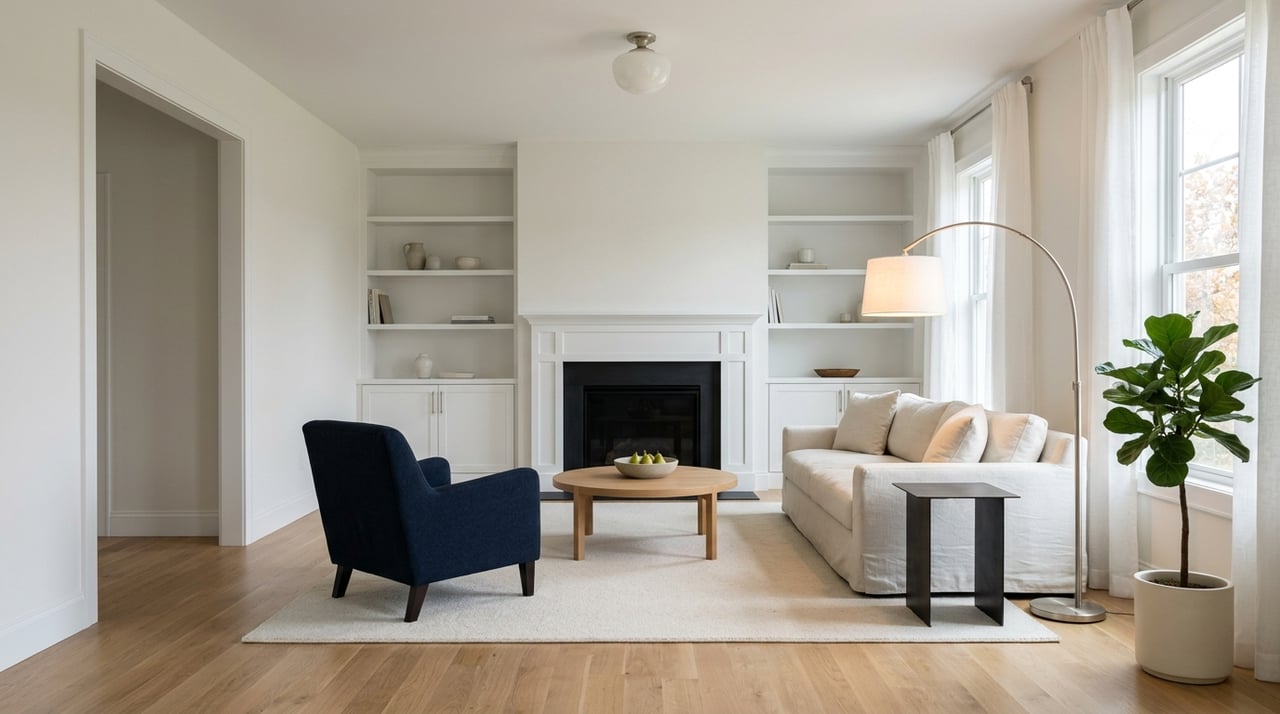
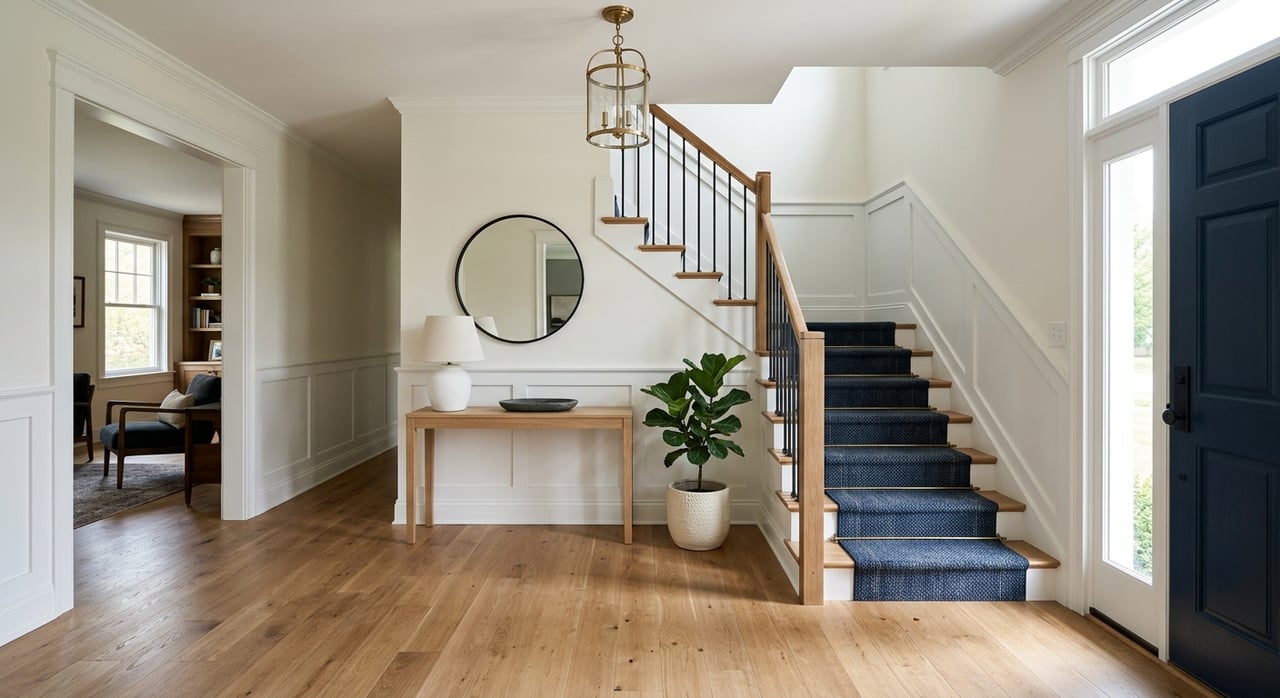
A design-forward look does not have to feel cold. In fact, the most effective staging usually starts with a calm, neutral backdrop and adds warmth through texture.
Zillow recommends soft whites, grays, beige, and greige for broad appeal. The practical move is to use those tones as your base, then layer in warmth with wood accents, simple rugs, soft pillows, greenery, and a few textured finishes that make the home feel polished without looking busy.
For North Potomac sellers, this works especially well because many homes already have classic architecture or traditional layouts. A restrained palette can help those features feel updated while still respecting the style of the home.
North Potomac's housing stock includes many Colonial Revival and split-level homes, along with newer Craftsman-style properties. That mix calls for a staging plan that highlights function and flow rather than trying to follow one trend in every room.
In formal spaces, aim for symmetry and breathing room. In more open layouts, use rugs and furniture groupings to define zones clearly. Based on the area's housing mix and general staging guidance, this less-but-better approach helps larger rooms feel purposeful instead of sparse.
If a buyer has to guess how a room should be used, the room is not working hard enough for your sale. That is especially true for bonus rooms, lofts, basement spaces, and large secondary bedrooms.
You do not need to over-stage these areas. You just need to give each one a clear visual job, such as a home office, reading nook, guest room, or workout corner, so buyers understand the layout immediately.
Bigger homes can absorb clutter in daily life, but photos tell a different story. Too many furniture pieces can make even a large room feel crowded, while too little can make it look cold or hard to furnish.
The sweet spot is scale. Choose fewer pieces with the right proportions, leave clear walkways, and avoid filling every wall or corner just because the room can hold it.
Not every room needs the same level of attention. If you want the best return on effort, start where buyers tend to focus.
The 2025 NAR staging snapshot found that the most commonly staged rooms were the living room, primary bedroom, dining room, and kitchen. Buyers' agents also identified the living room, primary bedroom, and kitchen as the most important spaces to stage.
This room often sets the tone for the whole listing. Keep the furniture layout open, remove extra side pieces, and add a few simple layers like pillows, a rug, and restrained coffee table styling.
The goal here is calm. Crisp bedding, balanced nightstands, soft lighting, and minimal personal items can make the room feel restful and spacious.
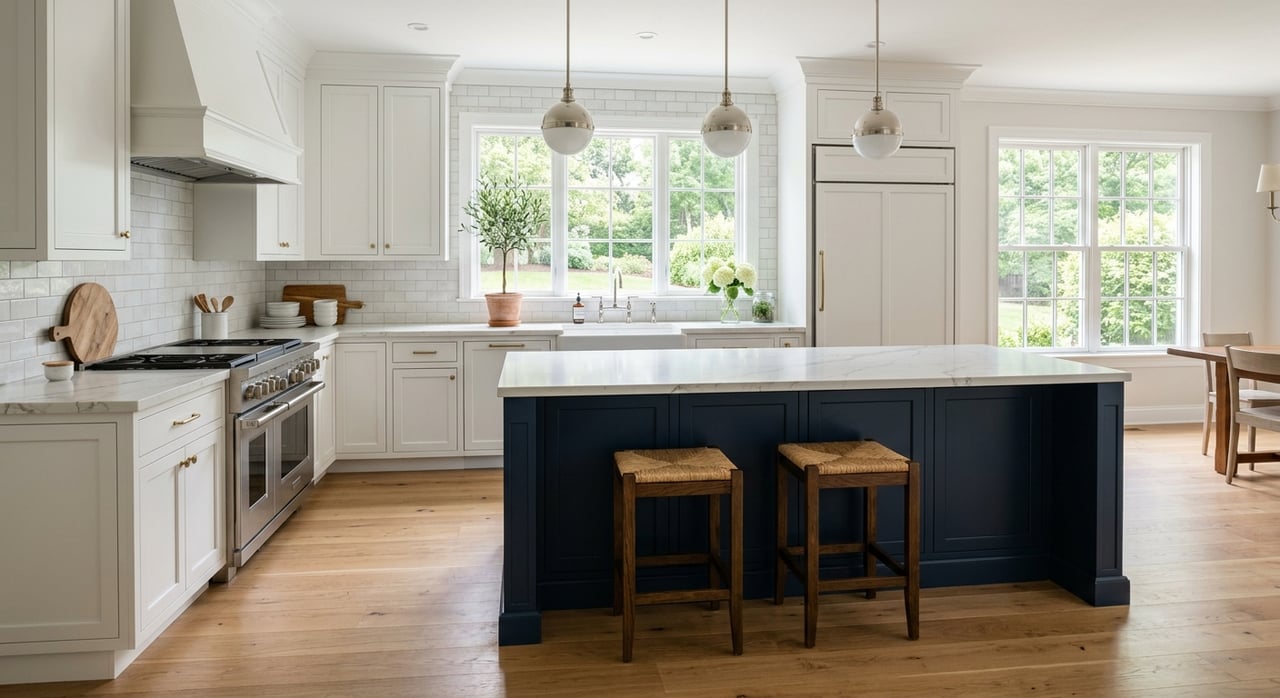
Clear counters almost completely. Leave just a few intentional elements, such as a bowl of fruit, a plant, or one attractive board or canister, so the kitchen feels functional and clean.
In North Potomac, formal dining rooms are common, but they can feel dated or underused if they are empty or crowded. A simple table setting, a centered light fixture, and enough space around the table can help the room feel relevant and usable.
You do not need a full renovation to improve presentation. A few strategic updates can go a long way.
Fresh neutral paint is often one of the most cost-effective changes. Zillow notes that paint can make rooms feel larger, brighter, and more move-in ready, and its research found that 32% of sellers repaint before listing.
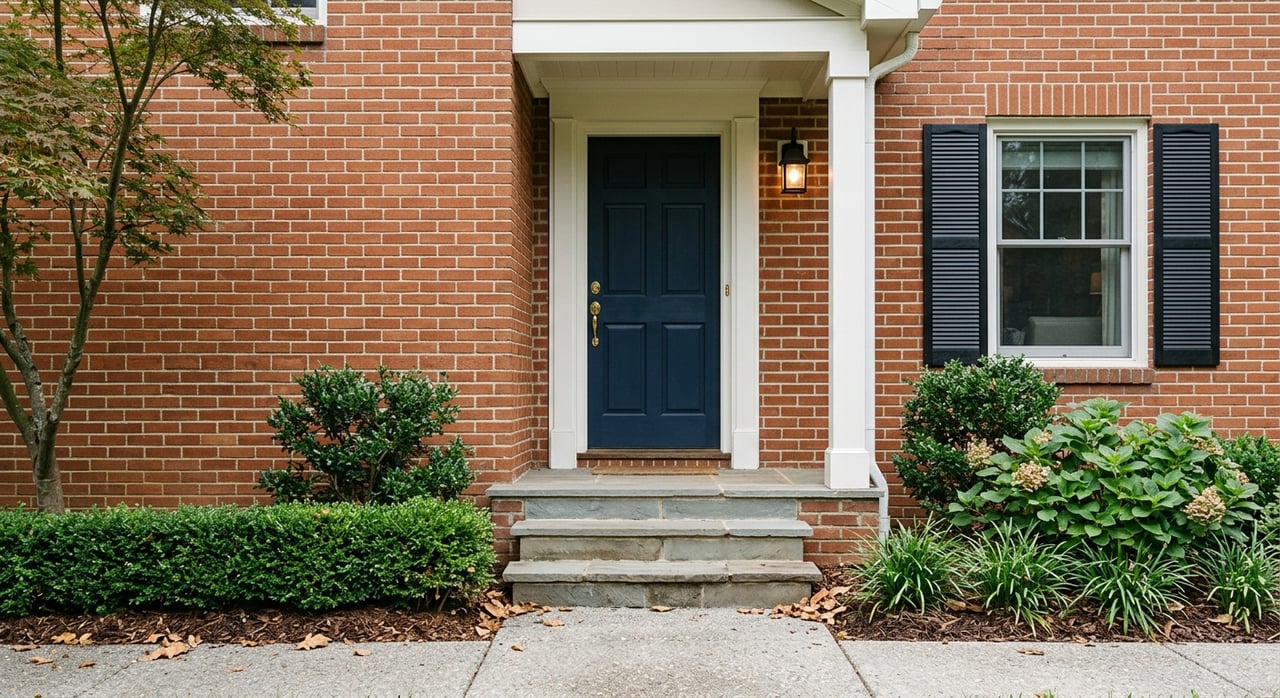
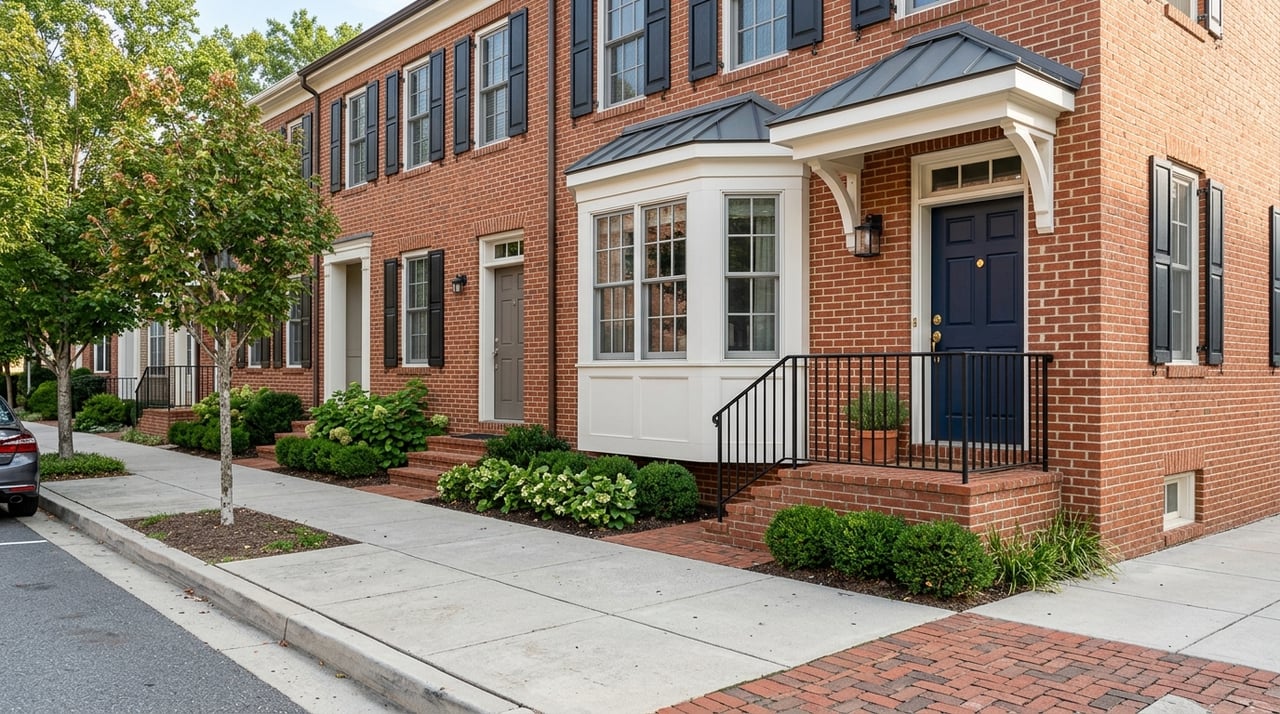
Curb appeal matters too because it shapes the first impression before buyers ever step inside. Zillow's staging advice recommends simple improvements like mowing and trimming, power-washing paths, refreshing the front door and hardware, updating outdoor lighting, and adding clean potted plants.
For many North Potomac sellers, the highest-value improvements are:
Many sellers assume staging has to mean full-service furniture rental throughout the home. That is not always necessary.
According to Zillow's staging guide, average staging costs are around $995, with most homeowners spending between $598 and $1,201. Zillow also recommends different approaches depending on budget and timeline, including DIY staging, partial staging, and virtual staging.
That means you can tailor the plan to the house. An occupied home may only need editing, styling, and a few accessory updates, while a vacant property may benefit from partial furniture placement or virtual staging in key rooms.
Empty homes can make room sizes harder to judge, especially in larger North Potomac properties. Without furniture, buyers may struggle to understand scale or how to use unfamiliar spaces.
For vacant homes or tricky layouts, virtual staging and 3D tours can help buyers picture the possibilities without furnishing every room. This can be especially helpful in formal living rooms, lower levels, and flex spaces that need context.
Once the staging is in place, photo prep becomes the final polish. Small details matter because the camera notices everything.
Realtor.com's photography guide recommends using a shot list and photographing the front exterior, entry, patio, backyard, deck, kitchen, dining area, bedrooms, and bathrooms in strong light. It also advises keeping props simple and making sure fixtures and surfaces are thoroughly cleaned.
Here is a practical pre-photo checklist:
In North Potomac, many sellers are working with homes that already offer size, solid architecture, and strong long-term value. The role of staging is not to disguise the home. It is to sharpen the story, define the layout, and make buyers feel the home is both beautiful and easy to live in.
When the presentation is bright, edited, and aligned with the home's style, your listing can stand out where it counts most: online, in photos, and during those first few minutes of a showing. If you are preparing to sell and want a thoughtful plan that blends market strategy with elevated presentation, Valerie D Harnois can help you create a staging approach designed for your home, your timeline, and your goals.
Stay up to date on the latest real estate trends.
Let me share what I've learned about finding a dream home or selling your existing home on time. I will listen to you and work with you to create a realistic set of goals, formulate a marketing/staging strategy for selling your home, and then, most importantly, keep you informed every step of the way.