Kentlands HOA Rules for Buyers and Design Review
June 11, 2026
June 11, 2026
If you love the idea of a walkable planned community with shared amenities and a distinct visual character, Kentlands may feel like a strong fit. But before you buy, it helps to understand how the HOA works, what kinds of exterior changes need approval, and what ownership costs can look like in real life. This guide will help you sort through the key rules, fees, and buyer questions so you can move forward with more confidence. Let’s dive in.
Kentlands is a neo-traditional planned community in Gaithersburg that grew from the 1988 sale of 352 acres of former Kentlands Farm. Today, the neighborhood includes about 1,400 homes across several property types, including single-family homes, townhouses, garage townhouses, rental apartments, and condominiums.
For buyers, that mix matters because HOA responsibilities and costs can vary by property type. It also helps explain why Kentlands functions more like a managed community than a typical subdivision.
The Kentlands Citizens Assembly, or KCA, serves as the HOA and primary governing body. Its board adopts the annual budget, levies and collects assessments, and manages common properties such as the clubhouse, pools, tennis courts, alleyways, and mews.
Board meetings are held on the fourth Wednesday of each month and are open to residents. That level of structure can be a plus if you value clear community management and maintained common spaces.
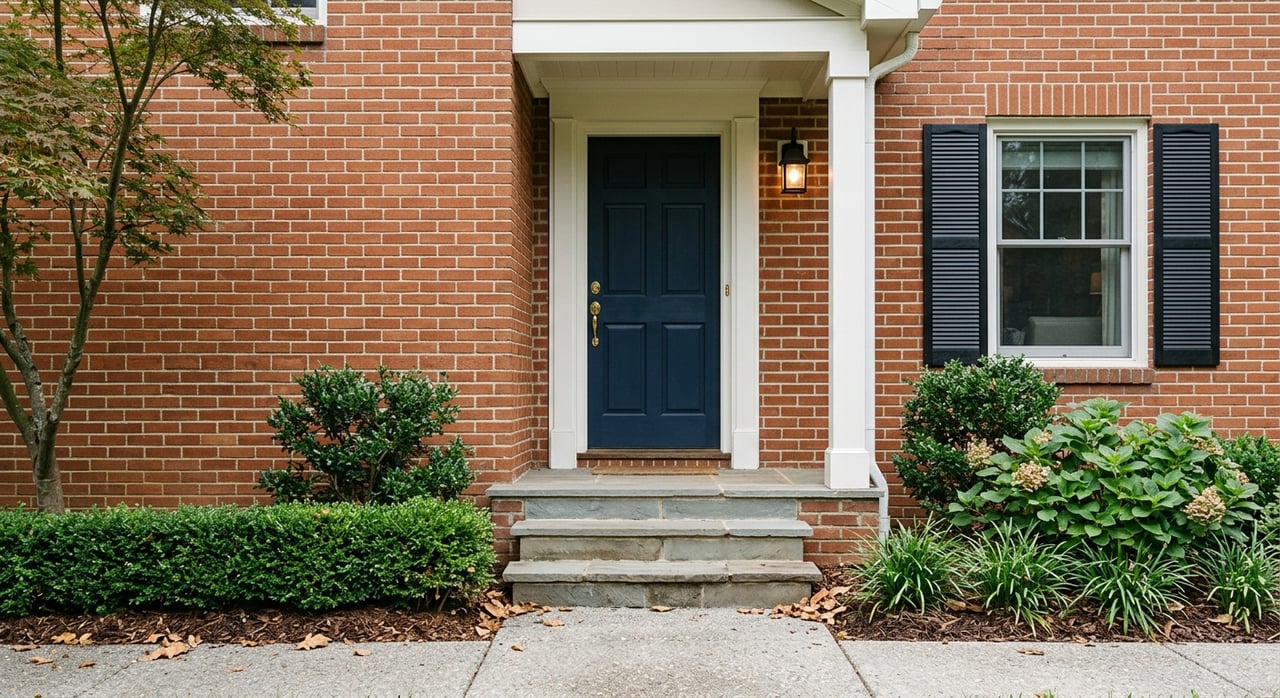
One of the biggest buyer takeaways in Kentlands is that exterior changes are not simply a matter of personal preference. The community places a strong emphasis on visual consistency, and that affects how improvements are reviewed.
The Kentlands Historical Trust works with the Town Architect to maintain the neighborhood’s visual integrity and decide on applications for exterior design or visual changes. If there is a violation, the Board of Code Compliance can investigate and may assess financial damages or temporarily suspend amenity rights.
Kentlands instructs residents to submit a Visual Change Application, often called a VCA, whenever an exterior change may require approval. In practical terms, buyers should assume that any visible exterior project deserves a closer look before work begins.
This is especially important for changes that can be seen from the street. Ordinary maintenance may be treated differently, but visible updates should be reviewed carefully so you do not make plans based on assumptions.
The KHT reviews VCAs monthly. The current calendar shows applications due on the 19th at 5 p.m., which means timing matters if you hope to start a project soon after closing.
Kentlands also uses TownSq for digital submissions, payments, inquiries, and updates. That can make the process easier to manage, but it does not remove the need to plan ahead and gather the right documentation.
If you are thinking about repainting, changing exterior fixtures, updating landscaping features, or making other visible changes, the approval process should be part of your due diligence. A home that looks like a great value may come with more process than you expect if your post-closing plans involve exterior work.
This does not mean Kentlands is difficult. It means buyers should go in with clear expectations, especially if you want more exterior flexibility than a managed planned community typically offers.
Kentlands assessments are budget-driven, so the exact amount can change from year to year. According to the public 2025 budget notice, the monthly assessment is $164.00 for single-family homes and townhomes and $126.20 for condominiums.
The same notice lists additional assessment categories of $16.62 for Beacon Place, $14.59 for Colonnade, $33.05 for Kentlands Manor, and $43.49 for accessory dwellings. If you are buying a condo, the condo community may pay the master HOA assessment in a lump sum that includes the KCA assessment, so it is important to verify how that applies to the specific property.
A smart next step is to confirm the current assessment in the resale packet. Public budget notices are helpful, but your transaction should be based on the most current property-specific information.
This is especially important in Kentlands because different housing types and sub-associations can affect what you pay and how fees are collected. A careful review now can prevent surprises later.
Kentlands ownership includes access to a substantial amenity package, but use of those amenities comes with its own procedures. Residents need an Electronic Facilities Pass to use the pool, fitness center, and courts.
The current amenity package includes the fitness center, pool, basketball, tennis, and pickleball courts. The fitness center is open daily from 4 a.m. to 11 p.m., and the 2026 pool schedule lists daily hours from 9:30 a.m. to 9:00 p.m.
New residents must complete a Kentlands Membership Application Agreement and a waiver. Adults age 18 and older need individual waivers, while minors age 17 and under are included on a parent or guardian waiver.
Residents also need a Maryland driver’s license or a change-of-address card showing the Kentlands address when they come in for their photo pass. For tenants, a valid lease is required before scheduling the pass appointment.
If you expect to use community amenities with visiting family or friends, it helps to know the guest rules in advance. Current Kentlands guest-pass fees are $3 per day per person, $1 per day for extended 30-to-90-day passes with a $30 minimum, $30 for a 10-punch guest card, and $70 for a pool-season child-care provider pass.
Guest fees generally apply to guests age four and older. Guest limits are also specific: up to five guests per household in the pool, five guests in the fitness room, three guests for tennis and pickleball, and four guests for basketball, with resident accompaniment required.
A few day-to-day rules can also affect how the community feels once you move in. The clubhouse is available to residents only, mews lights should be left on from dusk to dawn, and long-term or overnight parking in the mews is not permitted except for loading and unloading.
The streets outside the mews are the responsibility of the City of Gaithersburg. For buyers, this is another reminder that Kentlands blends private community governance with city-managed infrastructure.
Some buyers purchase with flexibility in mind, even if they plan to occupy the home first. If renting later is part of your long-term strategy, Kentlands rules are important to review early.
Kentlands prohibits most leases shorter than six months. It also requires a bona fide lease to be filed with the KCA, and the City of Gaithersburg must approve the rental housing before tenants receive access to KCA amenities.
Tenants must also complete KCA forms tied to the Membership Application and Electronic Facilities Pass process. If future rental flexibility matters to you, this is a detail worth confirming before you commit to a property.
Kentlands can be an excellent fit for buyers who appreciate walkability, shared amenities, and consistent community standards. It may be less appealing if your priority is maximum freedom for visible exterior changes without review.
Before you buy, keep your due diligence focused on the issues most likely to affect ownership. A few smart questions can give you a much clearer picture.
Kentlands offers a distinctive ownership experience in Gaithersburg. Its structure, amenities, and design standards can be a real advantage if you want a community with a cohesive look and clear systems in place.
The key is going in informed. If you understand the approval process, recurring costs, and day-to-day rules before you write an offer, you can make a better decision about whether a specific Kentlands home truly fits your plans.
If you want help evaluating a condo, townhouse, or single-family home in Kentlands, Valerie D Harnois can help you look beyond the listing photos and understand how the community details may affect your purchase.
Stay up to date on the latest real estate trends.

Let me share what I've learned about finding a dream home or selling your existing home on time. I will listen to you and work with you to create a realistic set of goals, formulate a marketing/staging strategy for selling your home, and then, most importantly, keep you informed every step of the way.